A Village Built on Practicing Korean Arts and Storytelling
by Linus Dolfini
Bern, December 27, 2025
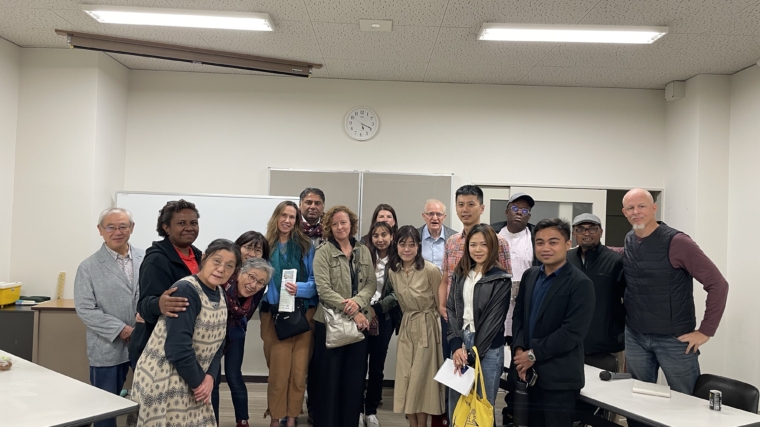
Keundeul is the name of an arts and culture village, a unique engagement in the southern part of South Korea. It is located approximately two hours north of Busan in a rural mountainous area. One of our Eco-Temple and ICE members – Jungin – was involved in this community as a non-member resident for one and a half years. She was first introduced to Keundeul in 2012 when she was teaching in an alternative school. The community was interested in getting involved in the WWOOF program – worldwide opportunities for organic farms – for educational and cultural exchange where people can sign up for what is basically a working holiday abroad. They wanted to host foreigners and therefore needed someone who speaks English fluently. This is how Jungin first started working with them.
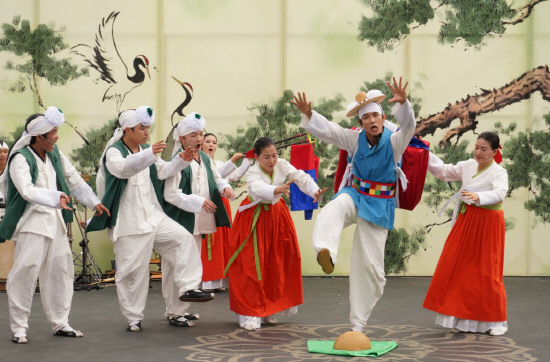
She explains that the community was established in the 1980s, initially as a percussion group. Back then a majority of university students in South Korea were involved in some form of activism, fighting for democracy, which eventually came in 1987. The Keundeul group was an activist group as well and they used percussion instruments and played what Jungin describes as farmers’ music. The solidarity between the group members was very strong and they decided that asking for social justice was not enough for them. They rather wanted to go further and establish something beyond activism, focusing on creating beauty and art together. Eventually, they started getting into performance arts and taught themselves a form of Korean modern theater called Madanggeuk.
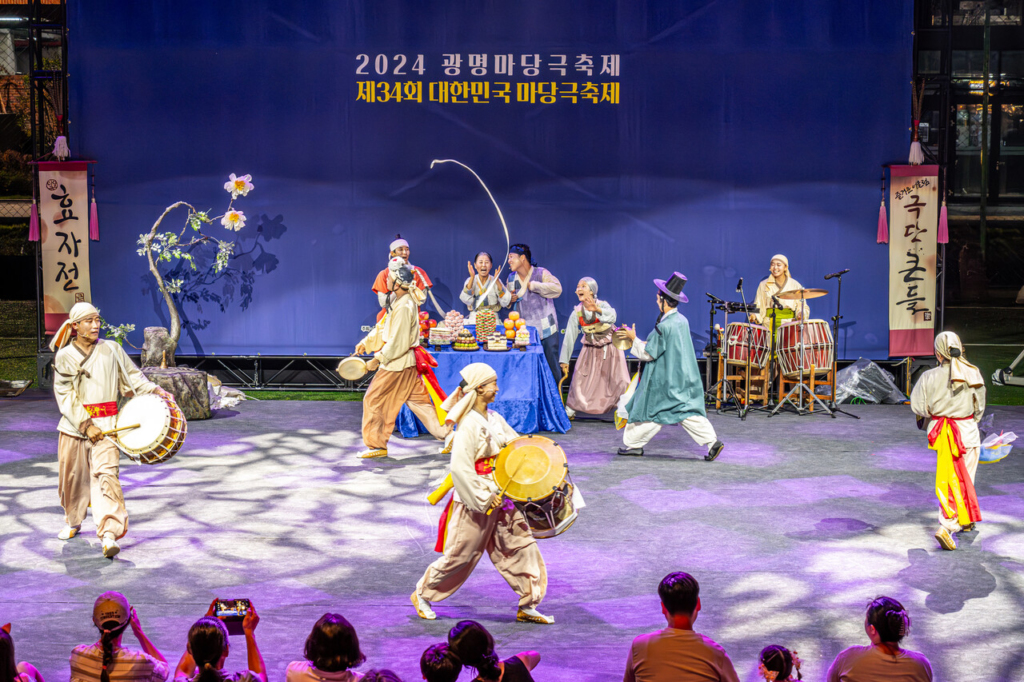
Madanggeuk also has its roots in activism. These days it is often labeled traditional theater because it incorporates Korean folk tales in its storytelling, but in reality, it is a style of modern theater. Translated, the term means yard-theater. This form of performance came out of the student activist movements in the 1970s and 80s and was popularized by groups such as Keundeul. It blends traditional folk stories with modern social criticism and performances are often set in open spaces, such as yards or on campuses with the audience surrounding the performers and actively being part of the performance by singing along or joining in. By teaching themselves the Keundeul group evolved more and more into a community, as their work involved learning how to create scripts, acting, making costumes, and more. They ended up living together, sharing meals, practicing, and experimenting for 20 years after first coming together in the 1980s. Jungin explains that they did not specifically seek to become a community or create a village but gradually they realized that other people were starting to call them a community and were saying that what Keundeul was doing was actually community living.
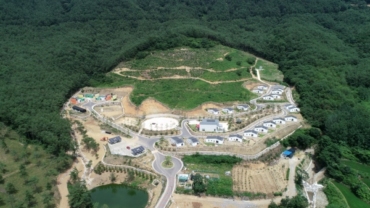
Based on this, they began to change their vision for themselves and started to actively focus on building a village for their community. In 2020 they purchased the land on which they are located now. In collaboration with the local government – which funded the process partly – they built 30 houses, laid electricity and water lines and established their own base. These days there are 35 adults living together in the village, half of whom are focused primarily on arts, as actors, musicians, painters, or directors, while the other half is responsible for the administrative process. Since the community is focused mainly on creating art, they are not self-sustaining. They have started to do some rice farming, but performance art is at the heart of what they are doing, and receiving support from the local government for their cultural engagement is part of their financing strategy. When it comes to Buddhism, Keundeul does not label themselves a Buddhist community. However, since Buddhism is deeply rooted in South Korean society, the community still identifies with Buddhist teachings and values and very much tries to live accordingly.
The community is also involved in alternative education, which Jungin says is another result of activism in the country. In South Korea, the education system is extremely competitive, and young people suffer enormously from the pressure that is put on them. Accordingly, some parents and teachers came together and spoke out against the system. The alternative curriculums that they came up with, for example, entail classes on how to craft things such as clothes, carpentry, how to farm, or how to run a store in a cooperative way. Jungin describes how these schools are beautiful places where teachers and students are allowed to practice, teach, and learn in what they believe in. Unfortunately, the government does not recognize this form of alternative education. Therefore, the graduates of these schools find themselves in a very small minority after they graduate and without any officially recognized certification. Within Keundeul there are currently seven people in their twenties who all went to alternative schools and now are part of the community, some as artists and some to support the village in other capacities.
The case of Keundeul is interesting because towards the outside they only advertise their art and they understand themselves as an arts community. They do not promote their way of community living and they do not label themselves as Buddhist or sustainable. For them it is about creating art, not about showcasing an alternative livelihood model that is rooted in Buddhism or sustainability. Yet, in some way this is what they are doing, despite it not being their goal. According to Jungin, the way the community is living together goes beyond one specific form of activism. Much of it is about the reflection of our relationships to one another and how to live together. Keundeul is promoting art in the spirit of guarding humanitarian values. This way of preserving Korean culture in the context of modern society is what drew Jungin to them in the first place. And even though the community is not advertising their livelihood model to the outside, they are still very conscious about their way of living together and they put a lot of effort into conflict resolution and they stress compassion within their village. In a sense, everything that they do reflects Buddhist and environmental values, yet they do not explicitly use those labels.
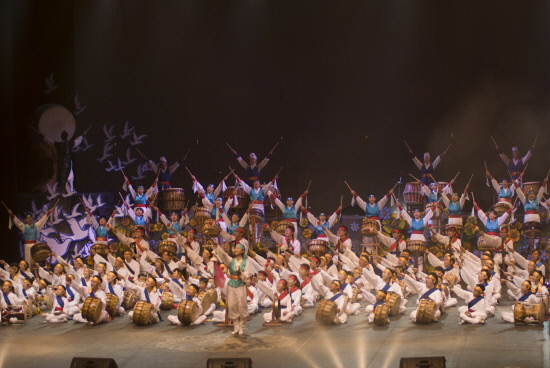
Keundeul – despite being quite a small community – has become popular in South Korea. The village itself counts 35 members currently, plus a few children, but has around 2’500 supporters who donate money to them on a monthly basis – Jungin being one of them. The motivation behind the support is to help Keundeul continue their work of preserving Korean art, culture, and joy in an authentic way. All the members of the community have grown up in the same region outside of the big metropolitan centers. None of them aspire to move to one of the large cities and follow the urban lifestyle that is very much influenced by Western values and cultures. What they do instead is promote local values and cultures and show a different side of Korea apart from the mainstream. Besides the private donations from their supporters, Keundeul also receives money from the local government through small art funds for example. The connection between them and the local people is very much based on the art they create. Despite having some progressive values and leading an alternative life, the village is located in the countryside where most of the population are elderly and very conservative. Therefore, Keundeul does not advertise their political ideas, they simply use their art to tell stories and build connections to the local people outside of the village. Through this, they become friends and find common ground besides political beliefs.
Keundeul is a great example of a community that has established an alternative way of living together based on a shared passion for art and preserving traditions. The village’s strength seems to come from not choosing to label themselves as religious or trying to promote their livelihood model to the outside world. They instead focus on their core values and goals and through this have become an integral part of the local community.