Report on the Earth Day Program 2026
Organized by the Foundation of His Sacred Majesty
April 21, 2026
Ooty, Nilgiris District, Tamil Nadu
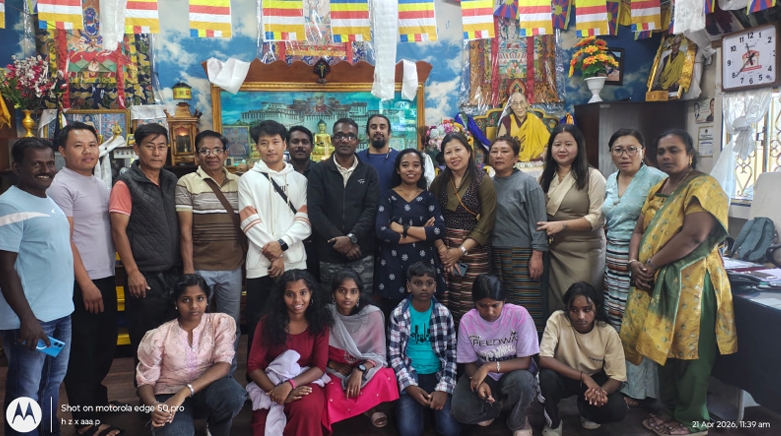
The Earth Day program organized by the Foundation of His Sacred Majesty on April 21, 2026, in Ooty, Nilgiris District, Tamil Nadu, was a meaningful initiative aimed at deepening environmental awareness and responsibility. The program highlighted the urgent need for collective action to address climate change, biodiversity loss, and pollution. It brought together participants from diverse backgrounds to engage directly with the region’s rich ecological heritage. This year’s theme, “Our Power, Our Planet,” emphasized that collective community action—such as cleaning local areas, planting trees, and supporting sustainable energy—can create significant and lasting environmental change. The celebrations extended beyond a single day, forming part of Earth Week (April 18–22), which included activities such as tree planting, farm visits, and community-led clean-up drives.
Nature Walk and Ecological Learning
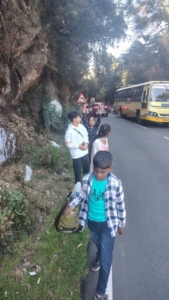 The day began with a nature walk from Ooty to Doddabetta, the highest peak in the Nilgiris which is of 9 km stretch. The youths walked for few kilometers observing the rich flora and fauna that Nilgiris represents. At a basic level, it helps you reconnect with the natural world. Walking in nature brings attention back to things like wind, sounds, light, and living beings. A nature walk can be a way to study plants, birds, insects, soil, and ecosystems. It develops awareness—seeing how different forms of life are interconnected. There’s also an ethical and social dimension. When people experience nature directly, they are more likely to care about protecting it. So nature walks can deepen ecological responsibility. Along the route, participants explored the region’s unique biodiversity, observing native plants, bird species, and forest ecosystems. The walk provided an opportunity to understand the ecological significance of these habitats as well as the challenges they face due to climate change and human activity.
Visit to the Government Botanical Garden
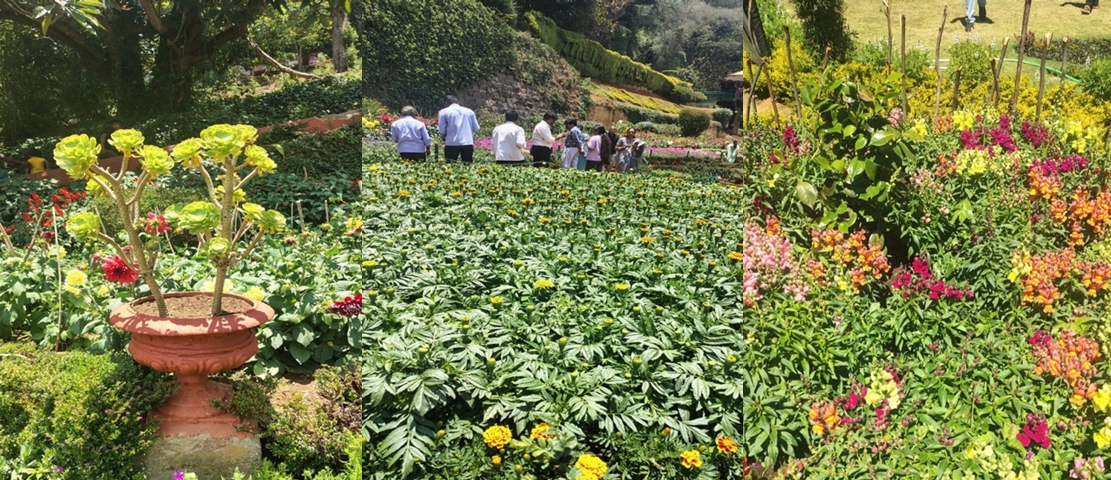
Participants visited the Government Botanical Garden in Udhagamandalam, a historic garden established in 1848 and maintained by the Tamil Nadu Horticulture Department. Spread across approximately 22 hectares on the lower slopes of Doddabetta, the garden features a terraced layout and houses around a thousand species of plants, including exotic and indigenous varieties. The garden includes flowering lawns, lily ponds, medicinal plant sections, and an Italian-style arrangement of beds. A notable feature is a fossilized tree trunk estimated to be around 20 million years old. The visit highlighted the scientific, historical, and conservation value of the garden, as well as its role in environmental education and biodiversity preservation.
Clean Village Campaign
A key component of the program was the Clean Village Campaign, where participants engaged with local communities to promote cleanliness, sanitation, and environmental responsibility. The campaign focused on:
- Raising awareness about the harmful effects of open defecation
- Addressing the sanitation needs of vulnerable groups such as children, women, the elderly, and persons with disabilities
- Encouraging suitable technological solutions based on local environmental conditions
- Fostering hygienic behavior through education and skill development
- Strengthening community participation and local governance capacity
- Enhancing coordination among institutions and stakeholders for sustainable implementation
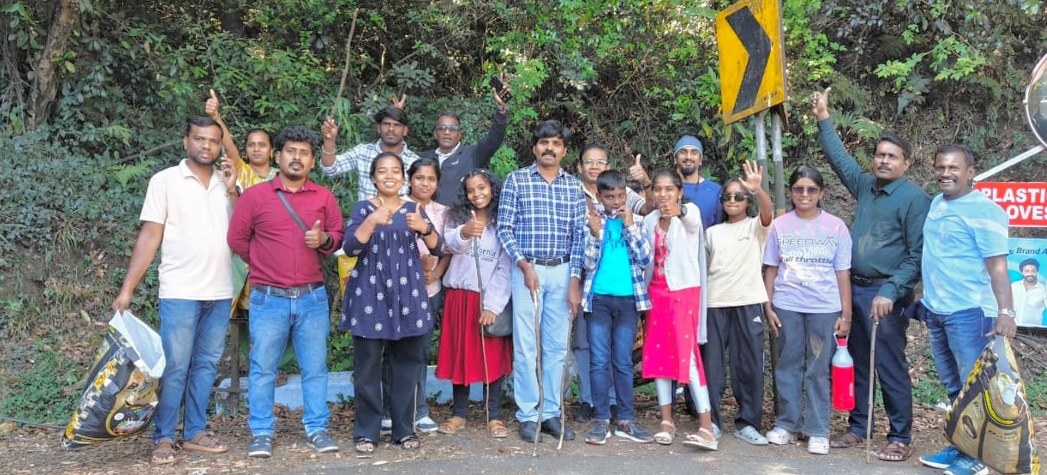
The initiative emphasized community mobilization through Information, Education, and Communication (IEC) strategies, with active involvement from Village Panchayats and relevant departments.
Understanding Pollution and Global Impact
The program also included discussions on the global impact of local pollution. Participants reflected every day on how waste, especially plastic, enters waterways and eventually reaches oceans. The Great Pacific Garbage Patch was discussed as an example of how ocean currents accumulate waste across vast distances. The session highlighted the harmful effects of microplastics on marine life, wildlife, and human health, including hormonal disruption and immune system damage. It emphasized that pollution is not only a local issue but a global environmental and public health challenge, requiring sustainable alternatives and responsible consumption practices. This session drew upon resource materials from Dr. Susan Davidson, Chair of the Wisconsin Birth Defects Advisory Council, and was supported by the Loka Initiative.
Ban on Single-Use Plastics in Nilgiris
Participants were informed about the strict regulations in the Nilgiris district prohibiting various single-use plastic items, including:
- Plastic carry bags (all thicknesses)
- Plastic cups, tumblers, and straws
- Disposable cutlery (spoons, forks, knives)
- Paper cups and laminated plates
- Styrofoam (thermocol) products
- Non-woven plastic bags and related items
- Plastic packaging materials and water packets
- Foil wraps and laminated sheets
- Plastic decorative items such as bouquets and festoons These measures reflect the district’s commitment to environmental protection and sustainable practices.
Visit to Tea Gardens
The visit to nearby tea gardens provided insights into sustainable agricultural practices and the livelihoods connected to the region’s landscape. Visiting an organic tea garden, especially in the multiple Nilgiris, serves purposes— educational, ecological, and social. It helps visitors understand sustainable agriculture, where tea is grown without harmful chemicals, preserving soil health, biodiversity, and water systems. Such visits also create awareness about ethical consumption and the importance of supporting environmentally responsible farming practices.
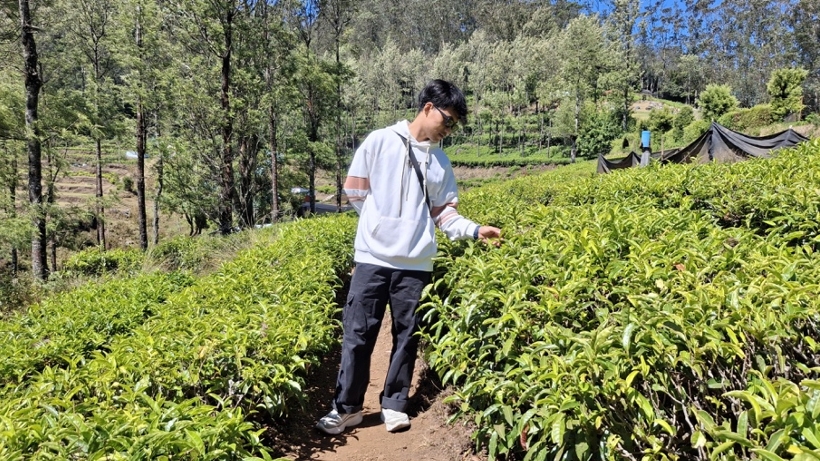
At the same time, the situation of Tamil Nadu Tea Plantation Corporation highlights a deeper social issue. Established to rehabilitate repatriated Tamil workers from Sri Lanka, TANTEA today faces financial losses, low productivity, and questions about worker welfare. Despite managing vast tea estates, many workers struggle with low wages, poor housing, and limited access to healthcare and education. Thus, visiting organic tea gardens is not just tourism—it can become a reflective act. It reveals the contrast between ideal sustainable models and the lived realities of plantation workers. Understanding TANTEA’s challenges encourages critical thinking about state responsibility, labor dignity, and the future of plantation economies in regions like the Nilgiris. Participants gained a deeper appreciation of the balance between economic activity and environmental conservation.
Integration with Young Bodhisattva Camp
Environmental themes were also integrated into the Bodhisattva Young Camp organized for 15 youth participants from different communities across South India. The camp emphasized that environmental activism and social justice are inseparable.
 In the Nilgiris, environmental concerns are closely linked with the rights and livelihoods of Adivasi (tribal) and Dalit communities. Issues such as forest conservation, land rights, and access to water are not merely ecological—they are matters of dignity, survival, and historical justice. The program stressed that environmental protection efforts must address social inequalities. Ignoring caste and community realities risks reinforcing injustice. Similarly, social justice movements must incorporate ecological Displacement, deforestation, conservation and policies certain often marginalize these communities, disrupting traditional ways of life.
The program stressed that environmental protection efforts must address social inequalities. Ignoring caste and community realities risks reinforcing injustice. Similarly, social justice movements must incorporate ecological Displacement, deforestation, conservation and policies certain often marginalize these communities, disrupting traditional ways of life. concerns, as land and nature are central to community identity and sustenance. Meaningful and lasting change can only be achieved when environmental sustainability and social equity are pursued together, with active participation from affected communities.